

Retail & eCommerce

A headless commerce replatform for a multi-brand fashion retailer

We moved three storefronts off an ageing monolithic platform to a headless architecture with a shared commerce backend, a composable CMS and faster, more maintainable frontends.

faster median mobile load on product listing pages
38%faster median mobile load on product listing pages
increase in mobile conversion rate after full cutover
12%increase in mobile conversion rate after full cutover
unplanned outages during the following peak sale season
0unplanned outages during the following peak sale season
A shopper browsing a fashion store on a smartphone

The challenge

The retailer ran three brand storefronts on a heavily customised monolithic ecommerce platform. Theme changes required developer time, seasonal campaigns were built by duplicating templates, and plugin conflicts had caused several outages during sale periods.

Mobile page performance was weak, particularly on product listing pages with large image grids. The platform version was approaching end of support, and the team wanted to move without a risky big-bang cutover in the middle of the trading calendar.

Our approach

We chose a headless setup: a SaaS commerce engine for catalogue, cart, checkout and promotions, a headless CMS for content and campaign pages, and a dedicated search service. The three storefronts share one Next.js codebase with per-brand themes driven by design tokens, so brand differences live in configuration rather than forked code.

Migration was phased by brand and by route. An edge routing layer sent traffic for migrated paths to the new frontend while the remaining routes still hit the old platform. Product, customer and order history data was migrated with repeatable scripts and reconciled against the source before each cutover, and URL redirects were mapped to protect search rankings.

Performance work focused on what shoppers feel: server-rendered listing pages with streaming, responsive images through an image CDN, and a lean client bundle. The merchandising team now builds campaign pages from a library of CMS components with previews, and storefront releases go through automated visual and end-to-end checkout tests.

What we delivered

  • Shared multi-brand Next.js storefront with token-based theming
  • Headless CMS component library for campaign and landing pages
  • Faceted search and merchandising rules in a dedicated search service
  • Phased route-by-route migration behind an edge routing layer
  • Reconciled data migration for products, customers and order history
  • Automated end-to-end checkout and visual regression tests per release

More case studies

Travel & hospitality

A complete taxi booking platform: fleet ERP, booking website and Flutter apps

We built a taxi operator's full digital platform: a fleet and operations ERP, a booking website, and Flutter rider and driver apps sharing one real-time backend.

ERP, website and mobile apps on one live backend
3-in-1ERP, website and mobile apps on one live backend
apps for iOS and Android from one Flutter codebase
2apps for iOS and Android from one Flutter codebase
driver tracking for riders and the dispatch team
Livedriver tracking for riders and the dispatch team

Travel & hospitality

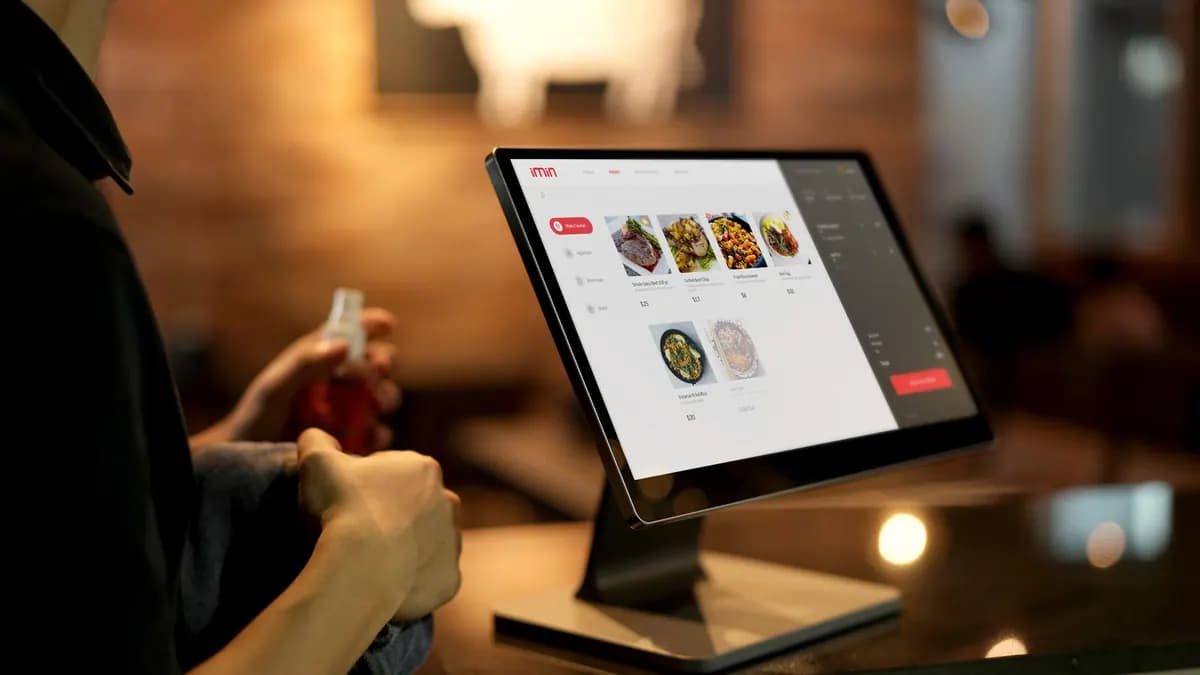
A restaurant management platform: ERP, online ordering website and Flutter apps

We built a restaurant group's ERP for orders, kitchen, menu and inventory, plus an online ordering website and a Flutter customer app, all on one shared system.

ERP, website and mobile app sharing one menu
3-in-1ERP, website and mobile app sharing one menu
commission on direct online orders
0%commission on direct online orders
sales and stock view across every outlet
Livesales and stock view across every outlet

Healthcare & life sciences

A remote patient monitoring platform that care teams actually use

We rebuilt a telehealth provider's video visit and remote monitoring stack so device readings, alerts and clinician workflows live in one HIPAA-aligned platform.

faster median time from out-of-range reading to clinician review
64%faster median time from out-of-range reading to clinician review
systems clinicians use to review a monitored patient
3→1systems clinicians use to review a monitored patient
to launch a new chronic care programme, down from months
11 wksto launch a new chronic care programme, down from months

Facing a similar challenge?

Tell us where you are and what you need. A senior engineer replies within 24 hours with next steps, not a sales script.